The Digital Front Door: Why Your Business Needs a Website

As we move ever so quickly towards a digital world, people are moving away from the need for a shopfront and an in-person experience.
But that doesn’t mean your business doesn’t need a location.
A website is your online-facing shopfront. It’s the first impression a lot of people will get of your business, and in many cases, it’s what determines whether someone chooses you or moves on to someone else.
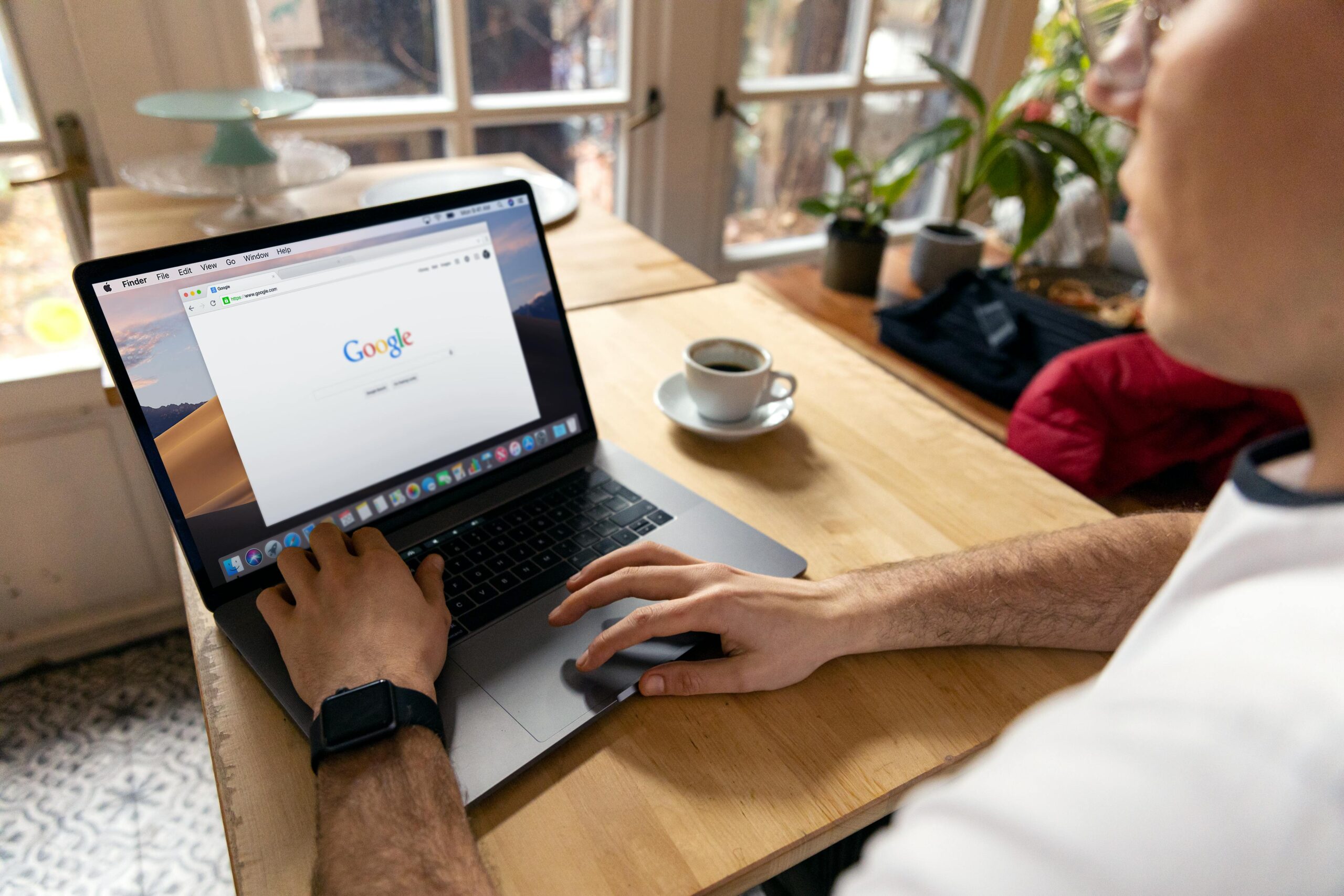
On social media and through emails, you can’t really convey to customers who you are, what you do, and why you do it. Although people are seemingly moving towards less connected relationships with businesses, more than ever people still want to know why they should pick you over the next business. A website gives you the space to properly explain yourself, your services, and your values in a way social media simply can’t.
Professionalism
Would you trust a café with a polished storefront and clear branding, or someone selling coffee out of a folding table in a carpark? The idea is simple; you need to convey that you’re serious about what you do.
A social media page is easy enough to start up, and to be honest, anyone can do it. Websites can feel expensive and complex (which is understandably why a lot of small businesses don’t have one), but I can guarantee you that customers are more likely to trust your website. Investing the time and effort into building a website proves you’re serious about your business, which in turn encourages a sense of trust and professionalism.
A clean and professional website immediately makes your business feel more legitimate. It reassures customers that you’re organised, established, and here for the long run.
Reach
Websites are littered with little marketing strategies most people don’t even realise are happening behind the scenes. Through things like Search Engine Optimisation (SEO), websites help put your business’ name out there and increase the chances of people finding you online.
Your social media page alone isn’t going to do that in the same way. Social media relies heavily on algorithms, meaning your content only reaches a certain amount of people unless you’re constantly posting or paying for ads. A website works for you constantly in the background, helping people discover your business through Google searches and online traffic.
The more information and quality content your website has, the easier it becomes for potential customers to come across your business naturally.
Google Insights on Local Search Behaviour
Research from Google on local search behaviour shows that most customers now turn to search engines when they need a nearby service, and these searches often lead directly to real-world action. In other words, people aren’t just browsing — they’re actively looking for businesses to contact or visit.
%
High Purchase Intent
78% of mobile local searches lead to an offline purchase or visit Google.
%
Fast Customer Action
76% of people who search for something nearby visit a business within 24 hours Google.
%
Local Search Demand
46% of Google searches have local intent Google.
Source: Google – Think with Google (Consumer Insights & Local Search Behaviour)
https://www.thinkwithgoogle.com/consumer-insights/consumer-trends/near-me-searches/
https://www.thinkwithgoogle.com/marketing-strategies/search/local-search-behavior/
Information
Social media pages are great, and I strongly encourage them to be used alongside your website, but they can sometimes be a little bit of visual vomit for customers trying to find information for the first time.
Customers don’t want to scroll through endless posts trying to figure out essential information about you. How much are your services? How do I get in touch? Where do I start?
A website is perfect for answering your customers’ questions before they even have to ask them. It allows you to organise information clearly and professionally, while also giving you the ability to go into way more detail than you ever could in a social media post.
You can include pricing, FAQs, booking systems, testimonials, galleries, contact forms — everything your customer may need all in one place. Not only does that improve the customer experience, but it also saves you time answering the same questions repeatedly.
Tracking
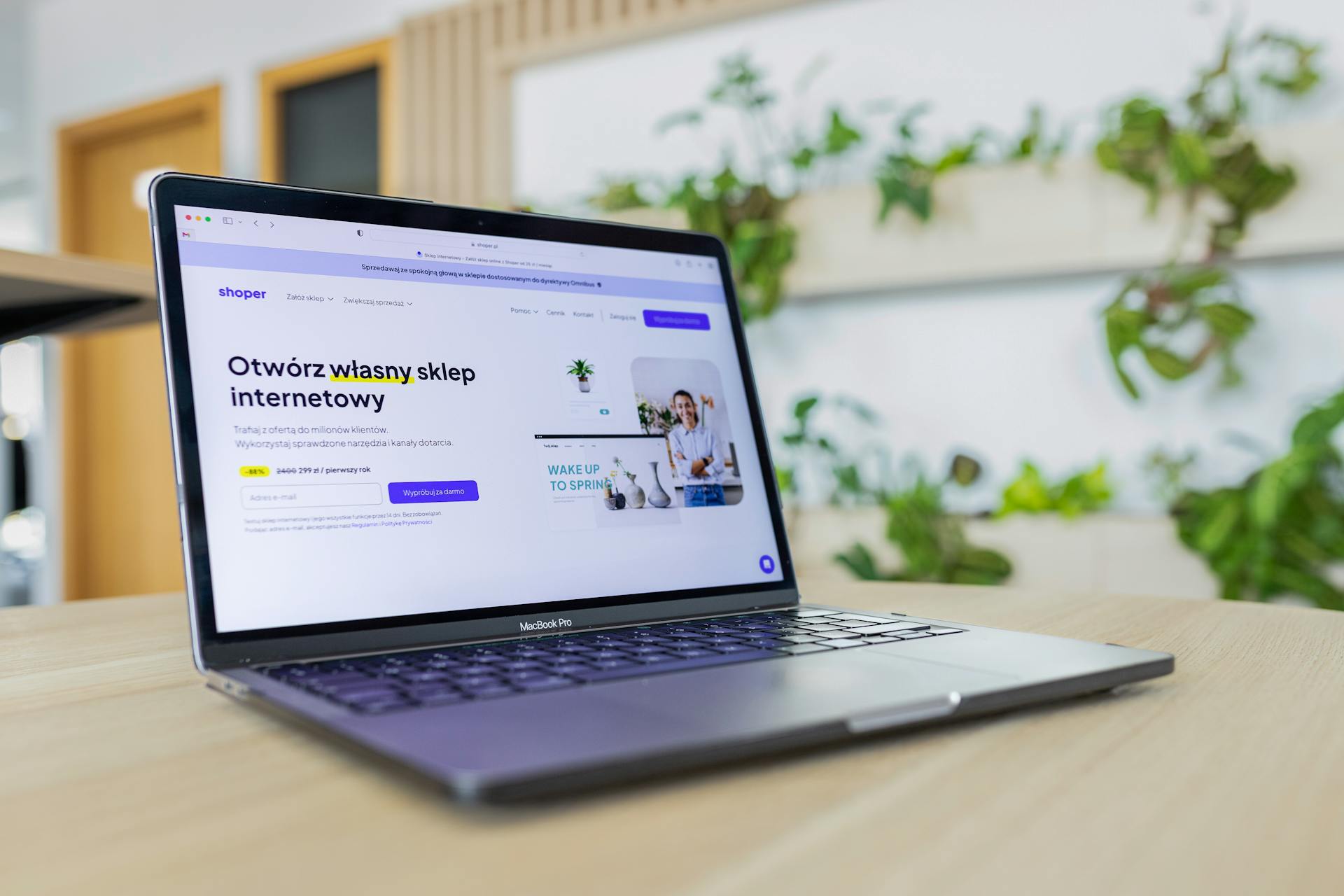
A website is amazing because it can tell you exactly how people are finding out about you. Through outbound clicks, direct searches, page visits, and analytics, you can understand where your traffic is coming from and what’s actually working for your business.
In addition, it tells you how your website is functioning. How long someone stays on your page, what pages they spend the most time on, where they lose interest, and what services people are looking at the most. This is such a valuable tool for understanding your consumers — who they are, what they need, and why they need it.
The more you understand your audience, the easier it becomes to improve your business and create a better experience for your customers overall.
At the end of the day, social media is a tool, but your website is your foundation. Social media trends change constantly, algorithms shift all the time, and accounts can disappear overnight. Your website is the one space online that fully belongs to you.
If you want your business to look professional, build trust, reach more people, and give customers a better overall experience, a website isn’t really optional anymore — it’s essential.

Logos & First Impressions
As kids we are taught to never judge a book by its cover, but it is human nature to form opinions...

Why Your Colours Are Printing Differently
Printing is not cheap. I know because not only have I worked in print, but I also research print...
All images on this page have been sourced from pexels.com